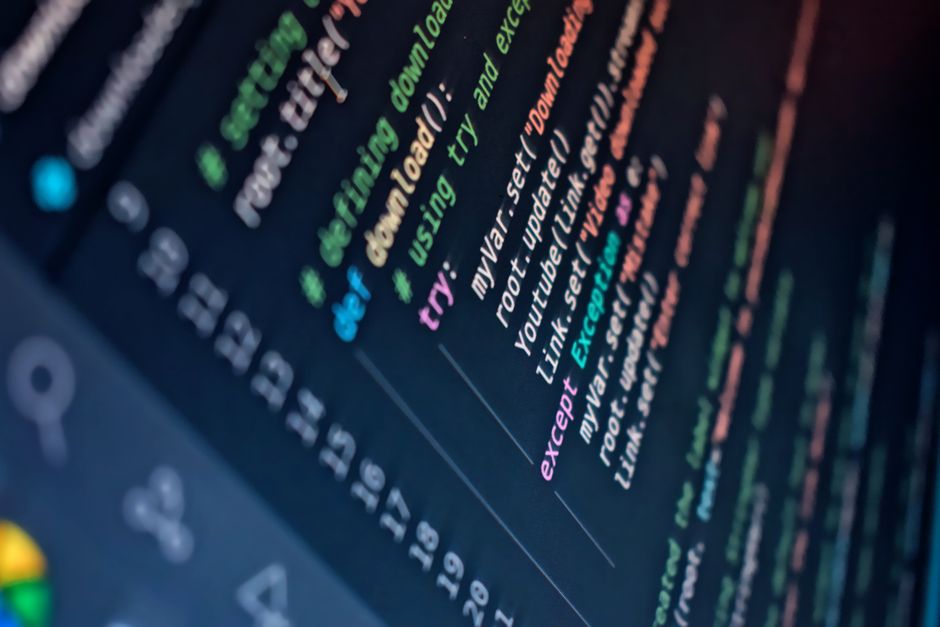
What we teach Programming fundamentals, application development, coding practice, and the day-to-day IT skills that hold a project together. Modules are sequenced so each one assumes only what the previous one covered.
How we work Every track mixes reading, small exercises, and a build you finish on your own machine. We keep the tone direct: fewer slogans, more examples you can run and break.
Where we stand No shortcuts and no hype. If a topic needs three weeks of practice before it clicks, we say so and structure the schedule around that reality.

Hosts our version control lab each spring. Students push to a shared repository and get line-by-line feedback from working developers.
Provides real data sets from public services for the data handling module, anonymized and cleared for classroom use.
A regional group of freelance developers who run monthly code reading evenings. They pick one open-source file and walk through it with beginners.
Connects graduates with current students for portfolio reviews and short internship placements during the summer term.
Opens its speaker slots to our advanced students, giving them a first audience for talks on tooling and testing.
Partnerships are arranged per module, not as blanket sponsorship. If your team works with software, data, or infrastructure and you want to contribute a session or a project brief, write to info@gccsalonstaff.com or call 0677 7126073. We coordinate schedules at Benjamin-Muhr-Platz 9, 2491 Bleiburg.
GCC Technology Academy did not start as a course catalogue. It started as a handful of evening workshops in Bleiburg, where a few working developers tried to explain what they actually do all day. The demand for a structured path grew faster than the schedule allowed, so the material was rewritten, split into modules, and organized around the skills people kept asking for.
Small groups, one topic per evening, no slides. Participants brought their own laptops and left with something that ran. That format set the tone for everything that followed.
Once the same questions came up week after week, the workshops were consolidated into modules covering technical foundations, application development, and day-to-day coding practice.
Not everyone wanted to become a developer. Separate tracks for IT fundamentals and digital tools were added so learners could pick a direction without committing to a full programming path.
Today the academy runs a stable set of learning resources with clear progression, review checkpoints, and material that is updated as the tools change. The original workshop habit of building something real is still the core rule.
Programming is learnable, but the path is rarely straight. We built this academy for people who want a structured route through the technical foundations — variables, data structures, version control, application logic — instead of a scattered pile of tutorials that never connect.
The material is organized around practice. Each module starts from a concrete problem, walks through the reasoning, and ends with something you can build, break, and rebuild on your own. We keep the scope honest: no shortcuts, no promises about job titles, just a working method you can carry into real projects.